In the quest for sustainable energy solutions, a radical concept is gaining altitude—literally. High-altitude wind power generation using helium-balloon tethered turbines at 20 kilometers above sea level represents one of the most audacious and promising frontiers in renewable energy technology. Unlike traditional wind farms constrained by terrain, weather patterns, and human activity, this approach harnesses the relentless and powerful winds of the stratosphere, offering the potential for unprecedented energy consistency and output.
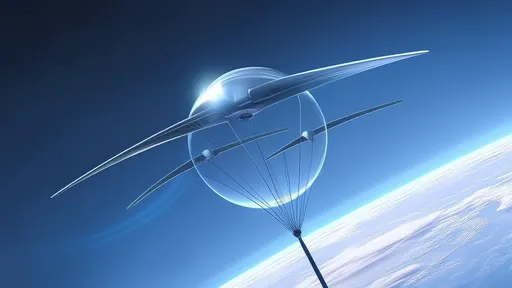
The core innovation lies in the design and deployment of turbine arrays suspended by helium-filled balloons or aerostats. At an altitude of approximately 20 kilometers, wind speeds are not only stronger but also remarkably consistent, free from the turbulence and intermittency that plague ground-level wind resources. These conditions allow turbines to operate near their maximum capacity for extended periods, a feat rarely achievable with terrestrial installations. Each unit in the array is tethered to a ground station, which anchors the system, transmits generated power, and facilitates necessary adjustments in altitude or position to optimize energy capture.
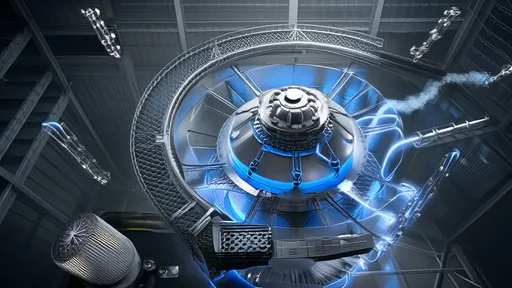
Helium, chosen for its non-flammability and low density, provides the lift required to keep the turbines aloft. The gas is contained within durable, flexible envelopes designed to withstand extreme temperature fluctuations and UV radiation prevalent in the stratosphere. The turbines themselves are engineered for high efficiency and minimal weight, often employing advanced composite materials and aerodynamic profiles tailored to thin-air operation. Power generated is transferred to the ground via conductive tethers, which also house data cables for real-time monitoring and control.
One of the most significant advantages of stratospheric wind arrays is their minimal land footprint. Ground stations require only a small area, making this technology ideal for remote locations, offshore platforms, or regions where land use is contentious. Moreover, by operating far above air traffic and bird migration paths, environmental and safety conflicts are substantially reduced. The visual impact is negligible, addressing a common criticism of conventional wind farms.
However, the path to commercialization is fraught with technical and logistical challenges. Maintaining and stabilizing turbines in the stratosphere demands robust solutions for weather resilience, equipment durability, and mid-air maintenance. The logistics of deployment, including launching, retrieving, and servicing these systems, require innovative approaches, possibly involving autonomous drones or specialized aircraft. Furthermore, the use of helium, a finite resource, raises questions about long-term sustainability and cost, though research into alternative lift gases or partial vacuum systems is ongoing.
Economic viability remains a critical hurdle. Initial development and deployment costs are high, driven by the need for cutting-edge materials, custom manufacturing, and complex operational protocols. Yet, proponents argue that the extraordinary energy yield—potentially operating over 90% of the time at full capacity—could lead to a lower levelized cost of energy compared to many existing renewables. As the technology matures and scales, costs are expected to decrease, following the trajectory of solar and wind power over the past decades.
Regulatory and airspace management issues also present substantial obstacles. Integrating these systems into national and international aviation frameworks requires coordination with aviation authorities to ensure no interference with aircraft. Clear protocols for emergencies, such as tether failure or uncontrolled descent, must be established to safeguard both air and ground assets.
Despite these challenges, progress is being made. Several startups and research consortia have conducted successful small-scale tests, demonstrating feasibility in principle. Prototypes have generated power in stratospheric conditions, and ongoing projects aim to scale up to multi-turbine arrays capable of supplying power to small grids or remote communities. These efforts are supported by advances in materials science, renewable energy storage, and autonomous systems, converging to make what was once science fiction increasingly plausible.
The potential global impact is immense. If successfully deployed at scale, stratospheric wind arrays could provide a continuous, clean energy source capable of supplementing or even replacing conventional power plants in certain contexts. For off-grid and disaster-stricken areas, rapidly deployable systems could offer resilient power generation without the need for extensive infrastructure. In the broader fight against climate change, tapping into the stratosphere’s wind resources could significantly accelerate the transition away from fossil fuels.
In conclusion, while helium-balloon tethered high-altitude wind turbines are still in the developmental phase, they embody a bold vision for the future of renewable energy. By reaching into the skies, we may find one of the keys to a sustainable, energy-abundant future on the ground. The journey is complex, but the promise of limitless, clean power from the winds above continues to inspire innovation and investment in this thrilling domain of human ingenuity.

By /Aug 25, 2025
By /Aug 25, 2025

By /Aug 25, 2025

By /Aug 25, 2025

By /Aug 25, 2025

By /Aug 25, 2025

By /Aug 25, 2025
By /Aug 25, 2025
By /Aug 25, 2025

By /Aug 25, 2025

By /Aug 25, 2025

By /Aug 25, 2025

By /Aug 25, 2025

By /Aug 25, 2025

By /Aug 25, 2025
By /Aug 25, 2025
By /Aug 25, 2025
By /Aug 25, 2025

By /Aug 25, 2025
By /Aug 25, 2025
