In the evolving landscape of sustainable architecture, a groundbreaking innovation is capturing the attention of designers, engineers, and environmentalists alike: the Algal Bio-Photovoltaic Wall. This technology represents a sophisticated fusion of biology and photovoltaics, transforming building facades into dynamic, energy-generating systems that not only produce electricity but also contribute to carbon sequestration and improved building performance.
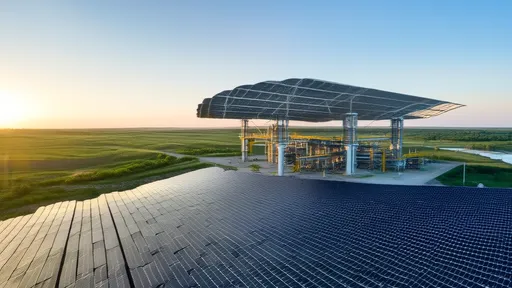
The core concept of the algal bio-photovoltaic wall integrates living microalgae within specially designed transparent panels mounted on a building's exterior. These panels, often referred to as photobioreactors, are filled with a nutrient-rich aqueous solution that supports the growth of photosynthetic microorganisms. As sunlight penetrates the transparent surface, the algae undergo photosynthesis, converting carbon dioxide and water into biomass and oxygen. Simultaneously, embedded photovoltaic cells capture unused solar energy and convert it into electricity, creating a synergistic system that maximizes energy harvest from a single surface.
What sets this technology apart is its dual-energy generation capability. Traditional photovoltaic systems solely rely on the photovoltaic effect to produce electricity, often with limitations in efficiency, especially under suboptimal light conditions. In contrast, the algal component not only generates biomass that can be harvested for biofuel or other bioproducts but also enhances the overall energy yield. The algae absorb certain wavelengths of light for photosynthesis, which can reduce thermal load on the photovoltaic cells, potentially increasing their efficiency and longevity. This biomimetic approach mirrors natural ecosystems, where multiple processes coexist to optimize resource use.
The development of algal bio-photovoltaic walls is rooted in interdisciplinary research spanning biotechnology, materials science, and renewable energy engineering. Early explorations into biological solar energy systems date back to experiments with microbial fuel cells and photosynthetic organisms, but recent advancements in transparent panel design, algae strain selection, and system integration have propelled this technology toward practical application. Innovations such as low-iron glass or advanced polymers for the photobioreactors ensure high light transmittance while maintaining structural integrity and preventing biofouling. Moreover, genetic engineering of algae strains has enabled higher photosynthetic efficiency and resilience to varying environmental conditions, making the systems more robust and scalable.
From an architectural perspective, these living walls offer aesthetic and functional benefits beyond energy production. The algae-filled panels can create a constantly changing visual appearance, as the density and color of the algal culture shift with growth cycles and light exposure, adding a dynamic, organic element to building facades. This biophilic design not only enhances the visual appeal but also promotes a connection to nature, which has been shown to improve occupant well-being. Functionally, the systems provide additional insulation, reducing heating and cooling demands, and contribute to air purification by absorbing carbon dioxide and releasing oxygen.
Several pioneering projects around the world have demonstrated the viability of algal bio-photovoltaic walls. One notable example is the BIQ House in Hamburg, Germany, which features a facade integrated with photobioreactors that supply renewable energy and regulate indoor temperatures. Similarly, research institutions and private companies in the United States, the United Kingdom, and Asia are developing prototypes that vary in scale and configuration, from small modular panels to entire curtain wall systems. These projects have provided valuable data on energy output, maintenance requirements, and overall system performance, helping to refine the technology for broader adoption.
Despite its promise, the widespread implementation of algal bio-photovoltaic walls faces several challenges. Technical hurdles include optimizing the balance between algal growth and photovoltaic efficiency, ensuring long-term durability of the panels, and developing cost-effective harvesting and processing methods for the biomass. Economic factors also play a role, as initial installation costs can be higher than conventional systems, though life-cycle analyses suggest potential savings through reduced energy bills and ancillary benefits. Regulatory and standards frameworks need to evolve to accommodate these innovative systems, addressing aspects such as safety, water usage, and integration with existing building codes.
Looking ahead, the future of algal bio-photovoltaic walls appears bright, with ongoing research focused on enhancing efficiency, scalability, and affordability. Emerging trends include the use of nanotechnology to improve light capture, the development of smart systems that dynamically adjust algal density and nutrient flow based on environmental conditions, and the exploration of hybrid systems that combine multiple renewable energy sources. As urban areas continue to grow and the demand for sustainable building solutions intensifies, this technology could play a pivotal role in creating energy-positive structures that contribute to a circular economy.
In conclusion, algal bio-photovoltaic walls represent a transformative approach to building-integrated renewable energy. By harnessing the power of photosynthesis alongside photovoltaics, these systems offer a multifaceted solution that addresses energy generation, carbon mitigation, and architectural innovation. While challenges remain, the progress made thus far underscores the potential for biology and technology to collaborate in shaping a more sustainable built environment. As research and development continue, we may soon see these living facades become a common feature in cities worldwide, turning buildings into active participants in the energy ecosystem.

By /Aug 25, 2025
By /Aug 25, 2025

By /Aug 25, 2025

By /Aug 25, 2025

By /Aug 25, 2025

By /Aug 25, 2025

By /Aug 25, 2025
By /Aug 25, 2025

By /Aug 25, 2025

By /Aug 25, 2025

By /Aug 25, 2025

By /Aug 25, 2025
By /Aug 25, 2025

By /Aug 25, 2025

By /Aug 25, 2025

By /Aug 25, 2025

By /Aug 25, 2025

By /Aug 25, 2025

By /Aug 25, 2025
By /Aug 25, 2025
