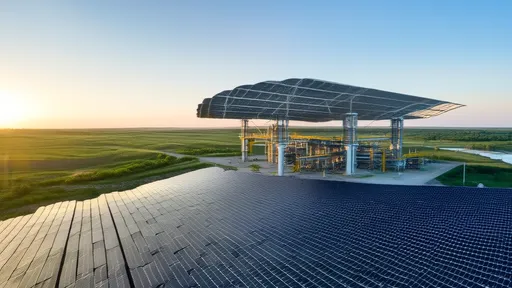
The oil fields that once powered the 20th century now stand as monuments to a bygone era, their derricks silent and wells depleted. Yet, in their abandonment lies an unexpected opportunity—a chance to repurpose these industrial landscapes into hubs of renewable energy innovation. The concept of geothermal-photovoltaic (GPV) hybrid power station, is emerging as a transformative approach to energy generation, particularly in regions where oil extraction has left behind both infrastructure and subterranean heat. By coupling surface solar arrays with underground geothermal systems, these facilities are turning abandoned oil fields into dynamic energy sources, proving that the past can indeed fuel the future.
At the heart of this synergy is the utilization of existing oil well infrastructure. Abandoned oil wells, often seen as environmental liabilities, penetrate deep into the Earth’s crust, where temperatures remain consistently high. These wells provide ready-made conduits for accessing geothermal energy, eliminating the need for costly new drilling. Water or other heat-transfer fluids can be circulated down these boreholes, absorbing thermal energy from the surrounding rock formations before returning to the surface. This harvested heat can then drive turbines for electricity generation or supply direct heating for industrial and residential use. The integration of this geothermal component with above-ground photovoltaic panels creates a hybrid system that operates continuously, regardless of weather or time of day.
The surface component of these hybrid power station leverages another underutilized resource: the vast, sun-exposed tracts of land that characterize many oil fields. Photovoltaic panels installed over these areas capture solar energy efficiently, contributing to the grid during peak daylight hours. What makes the GPV model particularly ingenious is its ability to address the intermittency of solar power. Excess solar energy generated during the day can be diverted to support the geothermal system—for instance, by powering pumps that enhance fluid circulation or by storing thermal energy in subsurface reservoirs for later use. This bidirectional energy flow ensures a stable and reliable output, smoothing out the fluctuations that often challenge renewable sources.
Moreover, the environmental benefits of repurposing abandoned oil fields are profound. Traditional oil operations leave behind significant scars on the landscape, from soil contamination to habitat disruption. By converting these sites into clean energy plants, we not only prevent further degradation but also actively remediate the land. Solar arrays can be designed to minimize ground disturbance, while geothermal operations help in stabilizing the subsurface, reducing risks like soil erosion or groundwater pollution. This approach aligns with the principles of the circular economy, where waste and abandoned assets are transformed into valuable resources, reducing the need for new land development and preserving natural ecosystems.
Economically, the GPV model offers a compelling case. The reuse of existing wells and infrastructure drastically cuts capital expenditures compared to developing greenfield geothermal or solar projects. For communities that once relied on oil extraction, this transition provides new jobs in installation, maintenance, and operation, helping to revitalize local economies. Additionally, the consistent energy output from geothermal sources enhances grid stability, making renewable energy more attractive to utilities and investors. This economic viability is crucial for scaling the technology and encouraging adoption in oil-rich regions worldwide, from Texas to Saudi Arabia.
Technological advancements are further accelerating the feasibility of geothermal-photovoltaic hybrid power station. Innovations in enhanced geothermal systems (EGS) allow for more efficient heat extraction even from lower-temperature reservoirs, expanding the potential sites for deployment. Meanwhile, improvements in photovoltaic efficiency and durability ensure that surface solar components perform optimally in often harsh environments. Smart grid technologies and energy management systems enable seamless integration between the two energy sources, optimizing output based on real-time demand and conditions. These developments are turning what was once a theoretical concept into a practical and scalable solution.
Looking ahead, the potential for global impact is immense. Thousands of abandoned oil wells dot the planet, each representing a candidate for repurposing into a GPV hybrid power station. In the United States alone, there are over 3 million abandoned wells, many of which are located in sun-drenched regions ideal for solar power. Similar opportunities exist in other oil-producing nations, offering a path to diversify their energy portfolios while reducing carbon footprints. As the world strives to meet climate goals, solutions that maximize existing resources and infrastructure will be key, and the GPV model exemplifies this pragmatic yet innovative approach.
In conclusion, the transformation of abandoned oil fields into geothermal-photovoltaic hybrid power station is more than just a technical achievement; it is a symbol of resilience and adaptation. By bridging the gap between the energy systems of the past and the sustainable future we aspire to, these facilities demonstrate that even our industrial legacies can be reimagined for good. As this technology continues to evolve and expand, it promises not only to generate clean energy but also to heal landscapes, empower communities, and inspire a new era of integrated, thoughtful energy design. The oil fields may have fueled the last century, but their second act could help power the next.

By /Aug 25, 2025

By /Aug 25, 2025

By /Aug 25, 2025

By /Aug 25, 2025

By /Aug 25, 2025

By /Aug 25, 2025

By /Aug 25, 2025

By /Aug 25, 2025

By /Aug 25, 2025

By /Aug 25, 2025

By /Aug 25, 2025

By /Aug 25, 2025

By /Aug 25, 2025

By /Aug 25, 2025

By /Aug 25, 2025

By /Aug 25, 2025

By /Aug 25, 2025

By /Aug 25, 2025

By /Aug 25, 2025
By /Aug 25, 2025
