Anyone who has spent time around cats has likely witnessed the peculiar yet endearing behavior known as kneading. The cat pushes its paws rhythmically in and out against a soft surface, often a blanket, a lap, or even another cat. This behavior, commonly referred to as "making biscuits" due to its resemblance to a baker kneading dough, is a source of fascination and warmth for pet owners. But what is the true origin of this instinctual action, and why does it persist from kittenhood into a cat's adult years?
The behavior is inextricably linked to the earliest moments of a kitten's life. From the moment they are born, blind and utterly dependent, kittens instinctively knead their mother's abdomen. This action is far from a random movement; it is a vital survival mechanism. The rhythmic pressing stimulates the mammary glands, encouraging the let-down of milk. For a newborn kitten, successful nursing is the difference between life and death. This action is often accompanied by a contented purring, creating a feedback loop of comfort and nourishment between the queen and her offspring. The soft belly of the mother provides the perfect, pliable surface for this activity, cementing the association between the motion and feelings of ultimate safety, warmth, and satiety.
As kittens grow and are weaned onto solid food, the primary purpose of kneading—to stimulate milk flow—becomes obsolete. However, the behavior does not simply vanish. Instead, it undergoes a process known as transference, where it becomes disconnected from its original biological function and is repurposed as a general expression of contentment and comfort. This is a classic example of a juvenile behavior persisting into adulthood, a phenomenon not uncommon in the animal kingdom. The powerful, positive emotions associated with the behavior—the security of being with their mother, the pleasure of a full stomach, the warmth of a snuggle—are so deeply ingrained that the physical act becomes a default way to self-soothe and express happiness.
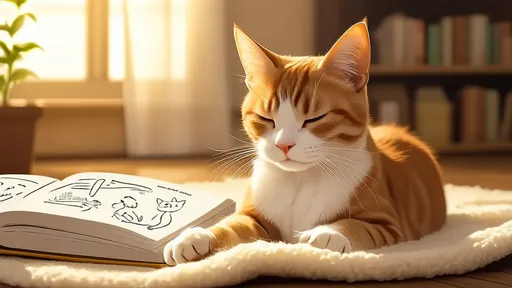
For an adult cat, kneading is a multifaceted behavior rich with meaning. Most evidently, it is a profound sign of relaxation and trust. When a cat chooses your lap as its kneading spot, it is a significant compliment. It indicates that the cat feels as safe and content with you as it once did with its mother. The behavior is often seen during particularly serene moments, such as when being petted, just before settling down for a nap, or when basking in a warm sunbeam. The act is self-reinforcing; the motion itself is believed to release endorphins, providing the cat with a sense of calm and well-being, thus encouraging the habit to continue throughout its life.
Beyond psychology, there are compelling evolutionary reasons for this behavior's persistence. Some experts theorize that kneading served a practical purpose for wild ancestors of the domestic cat. Before lying down to rest or give birth, a wild cat might knead tall grass or foliage to create a softer, more level sleeping area, to check for hidden threats like snakes or insects, or to mark the territory with the scent glands in their paws. This "nesting" instinct would have been crucial for survival and comfort in the wild. While the modern house cat may have a plush bed readily available, the deep-seated instinct to prepare a resting place remains, manifesting as kneading on blankets, pillows, or their favorite human.
Scent plays a far more significant role in a cat's world than in our own. Cats possess scent glands in various parts of their bodies, including their cheeks, the base of their tail, and, crucially, between the pads of their paws. When a cat kneads a surface, it is not just manipulating it physically; it is actively depositing its unique scent signature. This acts as a powerful form of communication and ownership. By marking a person, a bed, or another cat with their scent, they are creating a familiar, secure environment and effectively labeling their property. This mingling of scents within a social group, whether with humans or other animals, strengthens social bonds and creates a collective "family" scent that is comforting to all.
While kneading is a normal and healthy behavior, it can sometimes present minor challenges for owners, primarily due to a cat's claws. A blissfully kneading cat can inadvertently snag and damage fabrics or even cause discomfort if kneading directly on bare skin. Rather than discouraging the behavior itself—which is an expression of affection—owners can manage it by keeping their cat's claws trimmed to blunt the tips. Providing attractive alternative surfaces for kneading, such as a soft blanket or plush pet bed, can also help direct the behavior to appropriate places. In multi-cat households, observing cats knead each other is a strong indicator of a harmonious relationship, showing they are comfortable enough together to engage in this vulnerable, kitten-like behavior.
Ultimately, the act of kneading is a beautiful window into the complex emotional world of the domestic cat. It is a tapestry woven from threads of instinct, memory, and emotion. It begins as a lifeline to nourishment and evolves into a language of love, trust, and comfort. The next time your feline friend begins making biscuits on your lap, understand that you are being invited into a deeply rooted ritual. It is a callback to their first and most fundamental bond, and a sign that they consider you a source of the same absolute safety and contentment as their mother. It is a silent, rhythmic testament to the enduring nature of comfort-seeking behaviors and the profound, ancient connection we share with these enigmatic creatures.

By /Aug 25, 2025

By /Aug 25, 2025
By /Aug 25, 2025
By /Aug 25, 2025

By /Aug 25, 2025

By /Aug 25, 2025

By /Aug 25, 2025
By /Aug 25, 2025
By /Aug 25, 2025

By /Aug 25, 2025

By /Aug 25, 2025
By /Aug 25, 2025
By /Aug 25, 2025

By /Aug 25, 2025
By /Aug 25, 2025
By /Aug 25, 2025
By /Aug 25, 2025

By /Aug 25, 2025
By /Aug 25, 2025

By /Aug 25, 2025
