Koala Fingerprints Are Almost Identical to Humans' - Coincidence or Evolutionary Connection?

Aug 25, 2025 By

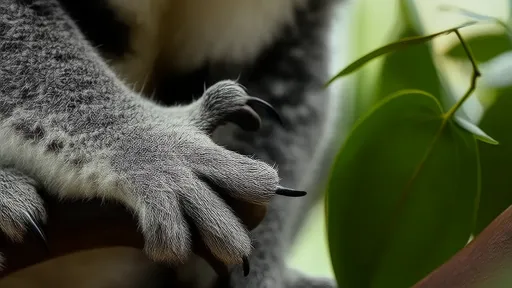
In the quiet eucalyptus forests of Australia, a curious biological parallel exists that has baffled scientists for decades. Koalas, those iconic marsupials known for their sleepy demeanor and leafy diet, possess something remarkably human-like: fingerprints. Not just similar patterns, but ridges and whorls that appear virtually indistinguishable from our own under microscopic examination. This uncanny resemblance raises profound questions about evolutionary pathways and whether these parallel developments are mere coincidence or evidence of deeper biological connections.


The discovery of koala fingerprints first emerged in the 1970s when researchers began studying their paw morphology. What they found astonished the scientific community – dermatoglyphic patterns so sophisticated that even seasoned forensic experts would struggle to differentiate them from human prints without contextual clues. The ridges form unique patterns including loops, whorls and arches, complete with minutiae points where ridges terminate or bifurcate, exactly as they do in human fingerprints. This level of complexity is exceptionally rare in the animal kingdom, making koalas one of the few species sharing this distinctive trait with humans.


Evolutionary biologists have proposed several theories to explain this remarkable convergence. The most compelling explanation centers on functional adaptation rather than shared ancestry. Both humans and koalas are manipulative species – we use our hands for precise grasping and tactile exploration. For koalas, this means climbing rough-barked eucalyptus trees, selecting specific leaves, and gripping branches securely while navigating their arboreal world. The ridges enhance friction and improve grip, much like the tread on tires. Additionally, these patterns may amplify tactile sensitivity, allowing both species to better perceive texture, pressure and vibration – crucial for identifying food sources and navigating environments.


Some researchers have suggested the parallel extends beyond mere physical function. The complexity of both human and koala fingerprints may relate to neurological development. The nerve patterns in our fingertips develop in tandem with ridge formation, creating a sophisticated sensor system. This neural-fingerprint connection might explain why both species evolved such intricate patterns independently – because the biological mechanisms governing skin development and neural mapping respond similarly to evolutionary pressures for enhanced manipulation and sensation.


Yet the coincidence remains staggering when we consider the evolutionary divergence. Humans are placental mammals whose ancestors split from marsupials approximately 160 million years ago. This represents one of the deepest divides in mammalian evolution. That two species separated by such vast evolutionary distance could develop nearly identical fingerprint patterns suggests something fundamental about this solution to environmental challenges. It appears that when nature needs precision grip and enhanced tactile perception, fingerprints represent such an effective design that evolution arrives at it repeatedly across unrelated lineages.


The implications extend beyond biological curiosity. Forensic scientists have occasionally raised concerns about the potential for koala prints to contaminate crime scenes in Australian bushland areas. While no documented cases exist of koala prints being mistaken for human ones in forensic investigations, the theoretical possibility highlights just how similar these patterns are. Research has shown that even automated fingerprint identification systems, which use sophisticated algorithms to analyze minutiae points, would require specific programming to distinguish koala prints from human ones.


This parallel development offers fascinating insights into what scientists term "convergent evolution" – the process where unrelated species develop similar traits in response to comparable environmental challenges. Other famous examples include the wing structures of bats, birds and insects, or the streamlined bodies of dolphins and sharks. But the koala-human fingerprint connection represents perhaps the most intimate and detailed case of convergent evolution between mammals so distantly related. It suggests that certain biological solutions are so effective that evolution independently discovers them across vastly different lineages.


Recent genetic research adds another layer to this mystery. Scientists have identified specific genes involved in fingerprint formation in humans, particularly ones controlling skin ridge patterning during fetal development. The question now being explored is whether similar genetic mechanisms operate in koalas despite their evolutionary distance. Preliminary studies suggest that while the genes involved may differ, the developmental pathways creating these patterns might share underlying similarities. This would represent convergence not just in physical structure but in the developmental processes creating those structures.


The study of koala fingerprints continues to yield surprises. Advanced imaging techniques have revealed that koala prints may actually outperform human fingerprints in certain conditions. Their ridges appear particularly well-adapted to wet environments, maintaining grip effectiveness when climbing rain-moistened eucalyptus trees. This moisture resilience surpasses human capabilities, suggesting that while the patterns are similar, natural selection has fine-tuned each species' fingerprints for their specific ecological niche.


Beyond scientific significance, the koala fingerprint phenomenon captures public imagination because it connects us to these creatures in an unexpectedly intimate way. That we share something so distinctly human with these arboreal marsupials reminds us of the underlying unity of biological solutions across the tree of life. It demonstrates how evolution can arrive at similar answers to life's challenges through different paths, creating connections across species that seem improbable yet reveal fundamental truths about adaptation and design in nature.


As habitat loss threatens koala populations, understanding these unique biological traits becomes increasingly urgent. Each koala fingerprint represents not just an evolutionary marvel but a testament to the intricate adaptations that have developed over millennia. Their preservation matters not only for biodiversity but for the continued opportunity to study these remarkable parallels that illuminate our own place in the natural world. The humble koala print thus becomes a symbol of both nature's ingenuity and the interconnectedness of all species, no matter how evolutionarily distant.


Recommend Posts
Animal

Does a Dog's Wagging Tail Always Mean Happiness? Decoding Tail Language"

By /Aug 25, 2025

When we see a dog wagging its tail, our immediate assumption is often that the animal is happy or excited. This interpretation has been reinforced through popular culture, children's books, and even well-meaning pet owners who anthropomorphize their furry companions. However, the reality of canine communication through tail movement is far more nuanced and complex than this simplistic understanding suggests. Tail wagging serves as a sophisticated signaling system that conveys a wide range of emotions, intentions, and social cues that every dog owner and enthusiast would benefit from understanding.
Animal

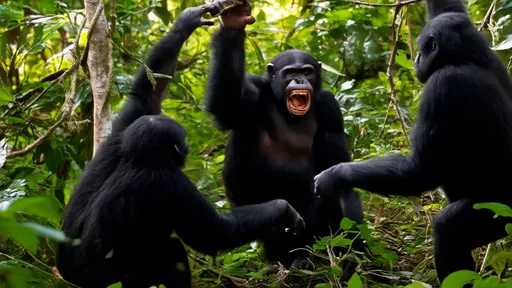
The Political Struggles of Chimpanzees: Alliances, Betrayals, and Power Shifts

By /Aug 25, 2025

In the dense forests of equatorial Africa, a drama unfolds daily that would feel strikingly familiar to any student of human politics. For decades, primatologists have meticulously documented the complex social maneuvers of chimpanzee communities, revealing a world where alliances are forged, betrayals exact a heavy toll, and the relentless pursuit of power dictates the rhythm of life. The political landscape of our closest genetic relatives is not a simple hierarchy of brute strength but a nuanced and dynamic web of relationships, strategy, and social intelligence.
Animal

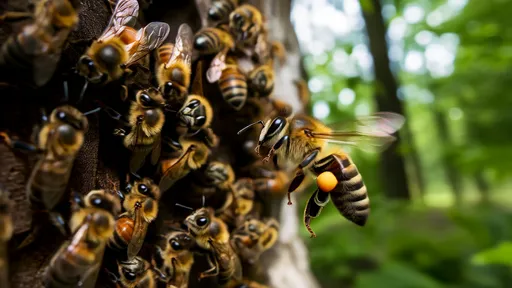
Bee Swarm Decision Making: How Do They Collectively Choose New Nest Locations?

By /Aug 25, 2025

In the intricate world of insect societies, honeybees exhibit one of nature's most fascinating collective decision-making processes: the selection of a new home. When a colony outgrows its hive or faces environmental pressures, it embarks on the critical task of finding a suitable new nest site. This isn't a decision made by a single leader but rather a democratic process involving thousands of bees, each contributing to the final choice. The mechanism is a marvel of efficiency and collaboration, ensuring the survival and prosperity of the entire swarm.
Animal

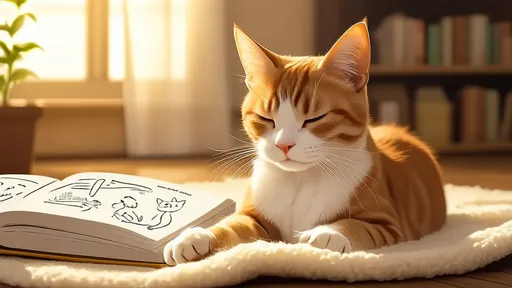
Why Do Cats Knead? The Continuation of Juvenile Behavior into Adult Habits

By /Aug 25, 2025

Anyone who has spent time around cats has likely witnessed the peculiar yet endearing behavior known as kneading. The cat pushes its paws rhythmically in and out against a soft surface, often a blanket, a lap, or even another cat. This behavior, commonly referred to as "making biscuits" due to its resemblance to a baker kneading dough, is a source of fascination and warmth for pet owners. But what is the true origin of this instinctual action, and why does it persist from kittenhood into a cat's adult years?
Animal

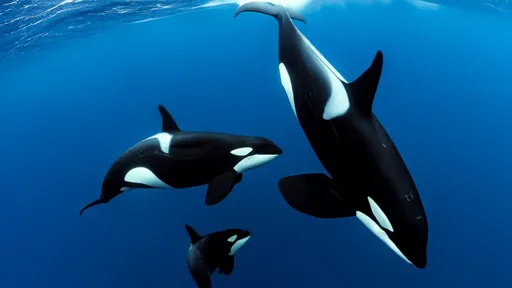
Cultural Transmission of Orcas: Unique Hunting Techniques Among Different Pods

By /Aug 25, 2025

In the vast, liquid realms of our planet, a sophisticated cultural phenomenon unfolds, largely hidden from human observation. Among the most intelligent and socially complex creatures in the ocean, orcas, or killer whales, exhibit a stunning diversity of behaviors that are not hardwired by genetics but are instead learned, refined, and passed down through generations. This cultural transmission, particularly evident in their unique and specialized hunting techniques, paints a picture of distinct orca societies, each with its own set of traditions and knowledge.
Animal

Elephant Funerals: Do They Really Mourn the Dead?

By /Aug 25, 2025

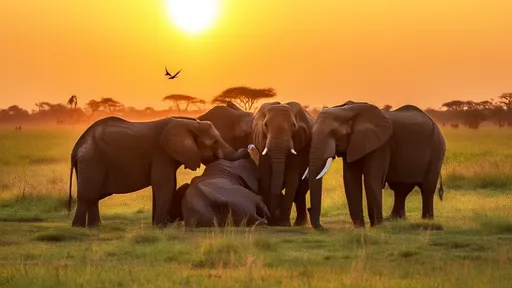
In the quiet stillness of the African savanna or the dense forests of Asia, a profound ritual unfolds when an elephant dies. For decades, observers have reported behaviors that seem to mirror human mourning—lingering near the body, touching the bones gently with their trunks, and even covering the deceased with leaves and branches. These poignant scenes have sparked a compelling question in the scientific community and among animal lovers alike: do elephants truly mourn their dead, or are we simply projecting human emotions onto their actions?
Animal

The Complex Language of Dolphins: The Meanings of Clicks, Whistles, and Calls

By /Aug 25, 2025

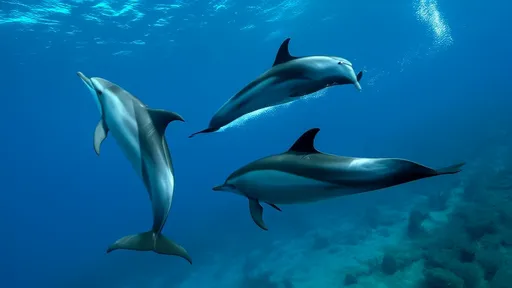
In the vast blue expanse of our oceans, a sophisticated form of communication unfolds beneath the waves, one that has captivated scientists and ocean enthusiasts alike. Dolphins, with their remarkable intelligence and social complexity, utilize a rich tapestry of sounds to interact, navigate, and thrive in their aquatic world. Their vocalizations—comprising whistles, clicks, and burst-pulse calls—form a language that, while not entirely deciphered, reveals glimpses of a deeply intricate social structure and cognitive ability. For decades, researchers have endeavored to unravel the meanings behind these sounds, piecing together how these marine mammals convey identity, emotion, and even abstract concepts.
Animal

Ants' Farms": How Do They Domesticate Aphids?

By /Aug 25, 2025

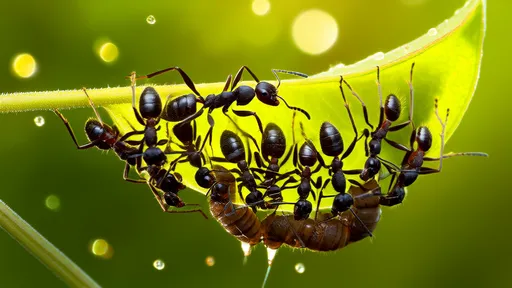
In the hidden corners of gardens and forests, an ancient agricultural practice unfolds, one that predates human farming by millions of years. Ants, those tiny architects of the insect world, have mastered the art of domestication, cultivating aphids much like humans tend to livestock. This symbiotic relationship is a fascinating example of evolutionary ingenuity, where ants provide protection and care in exchange for a sweet, nutritious reward.
Animal

Monkeys' Sense of Fairness: Do They Protest" Inequality?

By /Aug 25, 2025

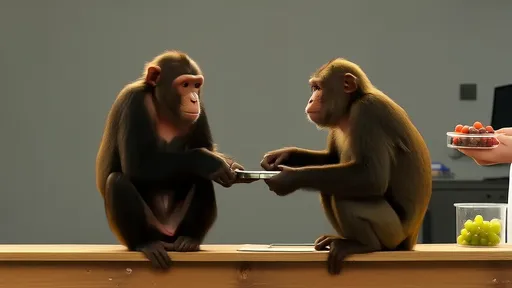
In the dense forests and research facilities around the world, a quiet revolution in our understanding of animal cognition has been unfolding, centered on an unlikely subject: the monkey. For decades, the study of animal behavior focused primarily on survival instincts, but recent groundbreaking research has shifted attention toward more complex social and emotional capabilities, particularly the sense of fairness. The idea that monkeys, much like humans, can perceive and protest inequality is not just fascinating—it challenges the very boundaries of what we consider uniquely human.
Animal

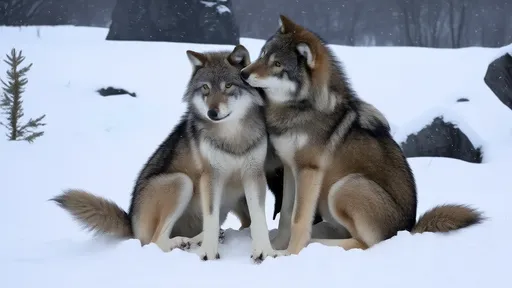
How Do Wolf Packs Educate Their Cubs? Family Education" in the Animal Kingdom

By /Aug 25, 2025

In the vast wilderness where survival is a daily challenge, the wolf pack represents one of nature's most sophisticated social structures. The education of wolf pups stands as a remarkable example of animal parenting that goes far beyond basic instinct, revealing complex teaching methods that have evolved over millennia.
Animal

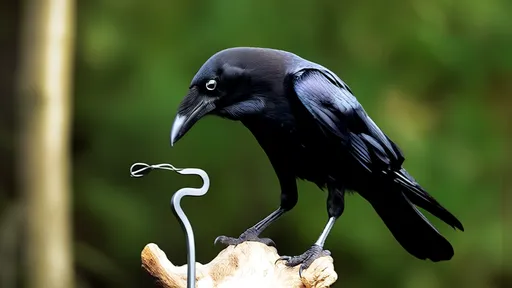
Do Crows Make Tools? The Pinnacle of Avian Intelligence"

By /Aug 25, 2025

In the dense forests of New Caledonia, a remarkable avian intellect is at work. Here, the New Caledonian crow has been observed performing a feat long considered uniquely human: the crafting and use of tools. These jet-black birds aren't merely picking up convenient twigs to poke at insects; they are actively shaping raw materials into functional implements, displaying a level of cognitive sophistication that has forced scientists to radically rethink the boundaries of animal intelligence.
Animal

Koala Fingerprints Are Almost Identical to Humans' - Coincidence or Evolutionary Connection?

By /Aug 25, 2025

In the quiet eucalyptus forests of Australia, a curious biological parallel exists that has baffled scientists for decades. Koalas, those iconic marsupials known for their sleepy demeanor and leafy diet, possess something remarkably human-like: fingerprints. Not just similar patterns, but ridges and whorls that appear virtually indistinguishable from our own under microscopic examination. This uncanny resemblance raises profound questions about evolutionary pathways and whether these parallel developments are mere coincidence or evidence of deeper biological connections.
Animal

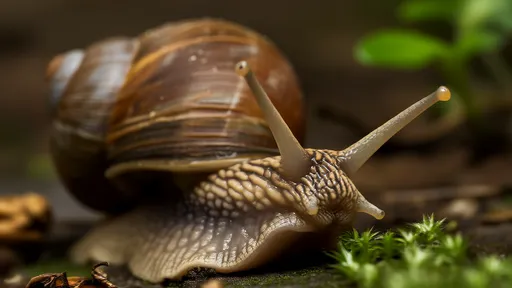
Can Snails Regrow Their Eyes? The Biology Behind Their Antennae

By /Aug 25, 2025

In the quiet corners of gardens and forests, an extraordinary biological drama unfolds largely unnoticed. The humble garden snail, a creature often overlooked, possesses a remarkable ability that has captivated scientists for decades: the capacity to regenerate its eyes, along with its iconic tentacles, after injury or loss. This isn’t a simple repair job; it is a complex process of rebuilding a fully functional sensory organ from scratch, a feat that remains a distant dream in human medicine. The study of this ability opens a window into fundamental questions of regeneration, development, and evolutionary biology.
Animal

Do Sea Otters Hold Hands While Sleeping? Their Social Intelligence

By /Aug 25, 2025

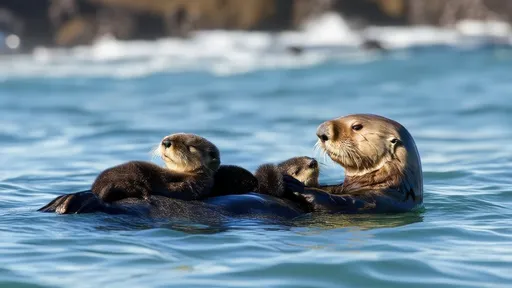
In the serene waters of the Pacific Northwest, a remarkable behavior unfolds each night as sea otters prepare to rest. These marine mammals, known for their playful antics and dense fur, engage in a practice that has captivated scientists and nature enthusiasts alike: they hold hands while sleeping. This endearing gesture, often observed in groups, is far more than a simple quirk of nature. It is a sophisticated social strategy that highlights the complex intelligence and emotional depth of these creatures, offering a window into their intricate world of survival and connection.
Animal

Can a Cat's Purr Heal? The Science of Frequency and Healing Effects

By /Aug 25, 2025

The gentle, rhythmic hum of a purring cat has long been a source of comfort and fascination for pet owners and scientists alike. Beyond its role as a sign of feline contentment, emerging research suggests that this characteristic sound may hold therapeutic properties for humans. The notion that a cat's purr could contribute to healing might seem whimsical at first, but a deeper exploration into the science of frequency, vibration, and biological response reveals a compelling narrative that bridges zoology, physics, and wellness.
Animal

Giraffes Have Blue Tongues? Why Did They Evolve This Color?

By /Aug 25, 2025

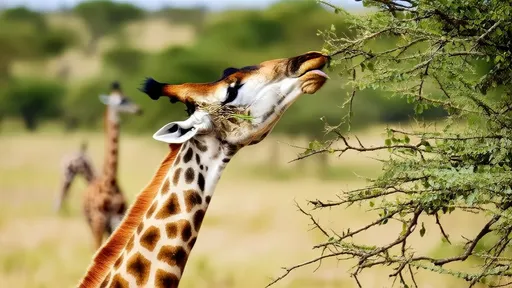
The giraffe, an iconic symbol of the African savanna, possesses one of nature's most intriguing anatomical features: a strikingly blue-black tongue. Unlike the pink tongues common to most mammals, this unique coloration sparks immediate curiosity and invites deeper investigation into its evolutionary purpose and biological mechanisms.
Animal

Kangaroo's Tail: The Third Leg? The Secret to Jumping Balance

By /Aug 25, 2025

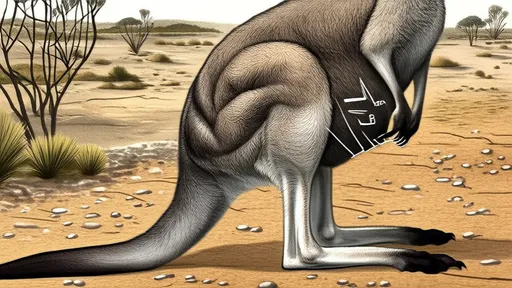
In the vast and varied tapestry of the animal kingdom, few creatures capture the imagination quite like the kangaroo. This iconic marsupial, a symbol of the Australian wilderness, is renowned for its powerful hind legs, its distinctive hopping gait, and, most curiously, its robust and muscular tail. For centuries, observers have marveled at the kangaroo's ability to move with such explosive speed and graceful balance. While its legs are the obvious engines of this locomotion, a closer examination reveals a more complex story. The tail, far from being a mere counterbalance or accessory, plays an integral and active role in the kangaroo's movement, leading many biologists to provocatively—and quite accurately—dub it the animal's "third leg."
Animal

Do Penguins Steal Stones to Build Nests? The 'Thief Behavior' in the Animal Kingdom"

By /Aug 25, 2025

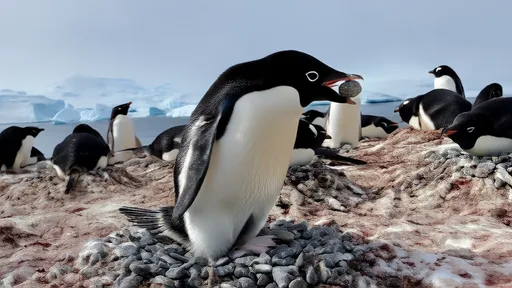
In the vast and intricate tapestry of animal behavior, few phenomena capture the human imagination quite like acts of theft observed in non-human species. Among the most charming and widely discussed examples is the propensity of certain penguin species to pilfer stones from their neighbors' nests. This behavior, far from being a mere quirk, opens a window into the complex social dynamics, survival strategies, and perhaps even the cognitive underpinnings of these fascinating birds.
Animal

Sloths Descend Trees Only Once a Week? Their Philosophy of Slow Living"

By /Aug 25, 2025

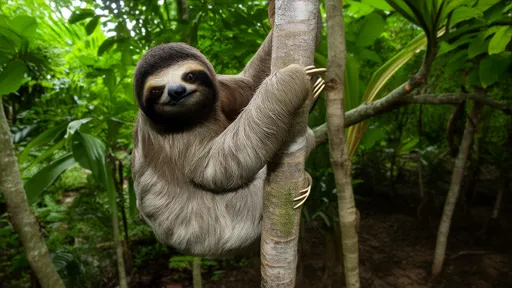
In the dense, humid canopies of Central and South American rainforests, one of nature’s most deliberate creatures moves through life at a pace that defies modern urgency. The sloth, an animal so named for its languid demeanor, has perfected an existence governed by patience, conservation, and profound slowness. While it is often repeated that sloths descend from their arboreal homes only once a week, this behavioral tidbit is but a surface-level glimpse into a far deeper and more intentional way of being—a veritable philosophy of slow living encoded in their very biology.
Animal

Hippopotamus Uses Sweat as Sunscreen? The Magical Effects of Pink Liquid

By /Aug 25, 2025

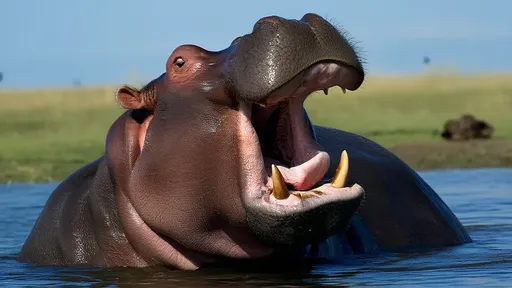
In the sweltering heat of the African savanna, where the sun beats down with relentless intensity, one might expect its inhabitants to seek shade or water to escape the scorching rays. Yet the hippopotamus, a colossal semi-aquatic mammal, spends hours lounging in the open, seemingly unfazed. The secret to its resilience lies not in a hidden behavior or a thick hide alone, but in a remarkable biological adaptation: a sweat that acts as a natural, multi-functional sunscreen.